Democrats Secure Historic House Majority After Defeating Virginia Foxx
Democrats have secured their largest House majority since 1992 after Chuck Hubbard defeated Rep. Virginia Foxx, setting the stage for a new legislative dynamic in Washington.
By Luis Rojas ·
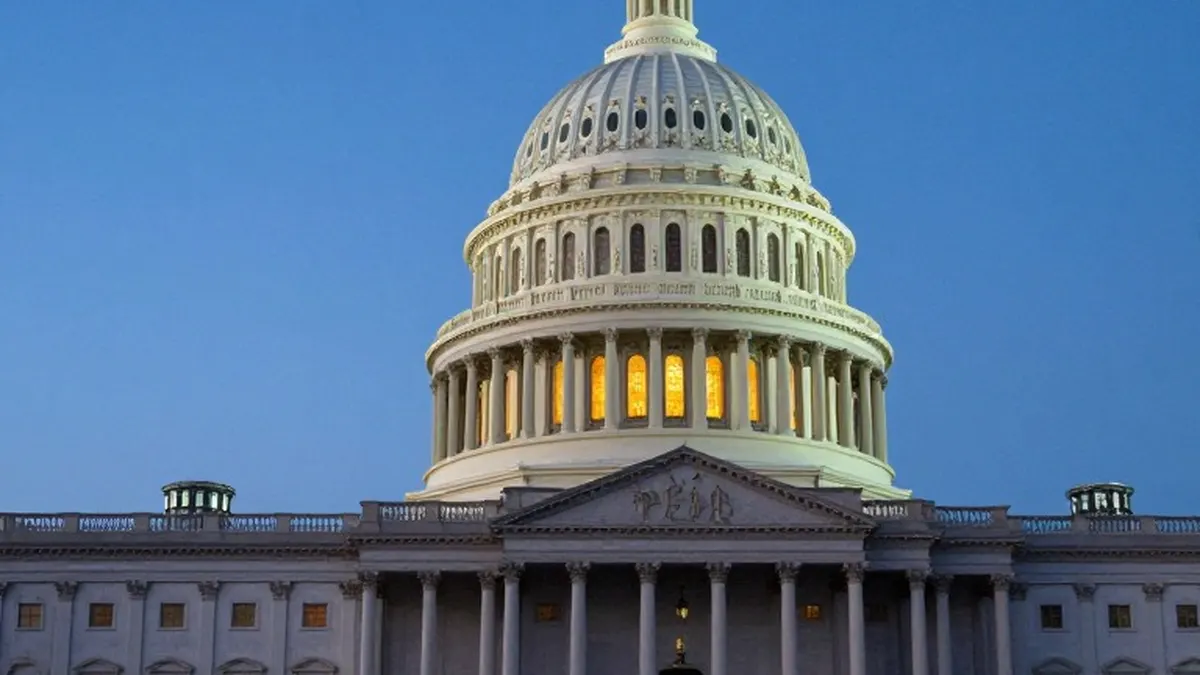
The Democratic Party has reclaimed control of the U.S. House of Representatives, achieving the largest majority for any party since 1992 in a significant midterm election victory. This outcome fundamentally alters the balance of power in Washington, leaving the Republican Party with substantially less influence over the legislative chamber.
The decisive moment came when Democrat Chuck Hubbard was elected to represent North Carolina, according to The Associated Press. Hubbard defeated Virginia Foxx, a long-serving Republican incumbent who held the influential chairmanship of the House Rules Committee. That committee plays a critical role in determining which bills are advanced to the House floor for a vote.
As of the latest reporting, Democrats have gained 44 seats in the House. This brings their total to at least 258 seats, marking their strongest showing in more than three decades. In contrast, the Republican Party now holds at least 173 seats in the 435-member chamber.
Four House races remain undecided at this time. These contests are located in Minnesota and Tennessee, along with two runoff elections scheduled for December in Louisiana. The final outcome of these races may slightly adjust the final seat counts, but the overall trend toward Democratic dominance appears clear.
The projected Democratic majority exceeds the post-election totals achieved in every election since Bill Clinton first won the presidency in 1992. During that cycle, Democrats secured 258 House seats. The next largest Democratic majority on record occurred in 2008, when the party won 257 seats following the election of Barack Obama.
In the Senate, Democrats are also poised to take control. The party has secured a majority of 56 seats in the 100-member chamber. This represents the largest advantage for Democrats in the upper chamber in more than a decade, further solidifying their legislative grip.
Democratic victories were particularly notable in a mix of traditionally competitive states and established Republican strongholds. The party scored significant gains in Texas, Georgia, Kansas, Iowa, Ohio, Maine, North Carolina, and South Carolina. These results indicate a broad shift in voter support across various regions of the country.
President Donald Trump will encounter a new legislative landscape when the next Congress convenes in January. Democrats are preparing to launch a series of investigations targeting the current administration and its Republican allies in Congress. This aggressive posture signals a new era of scrutiny for the executive branch.
The Democratic Party’s 100-day agenda will prioritize the rollback of key Republican policies. According to The Associated Press, top objectives include reversing cuts to Medicaid and restoring Affordable Care Act tax credits that were allowed to expire under the previous Republican-led Congress. These moves aim to address social safety net concerns that many voters highlighted during the campaign.
The Associated Press contributed to this report. The final results will continue to emerge as the remaining undecided races are resolved, but the immediate impact of the election is a robust Democratic presence in both chambers of Congress.
More News · National news · Report a business · Got a Story?