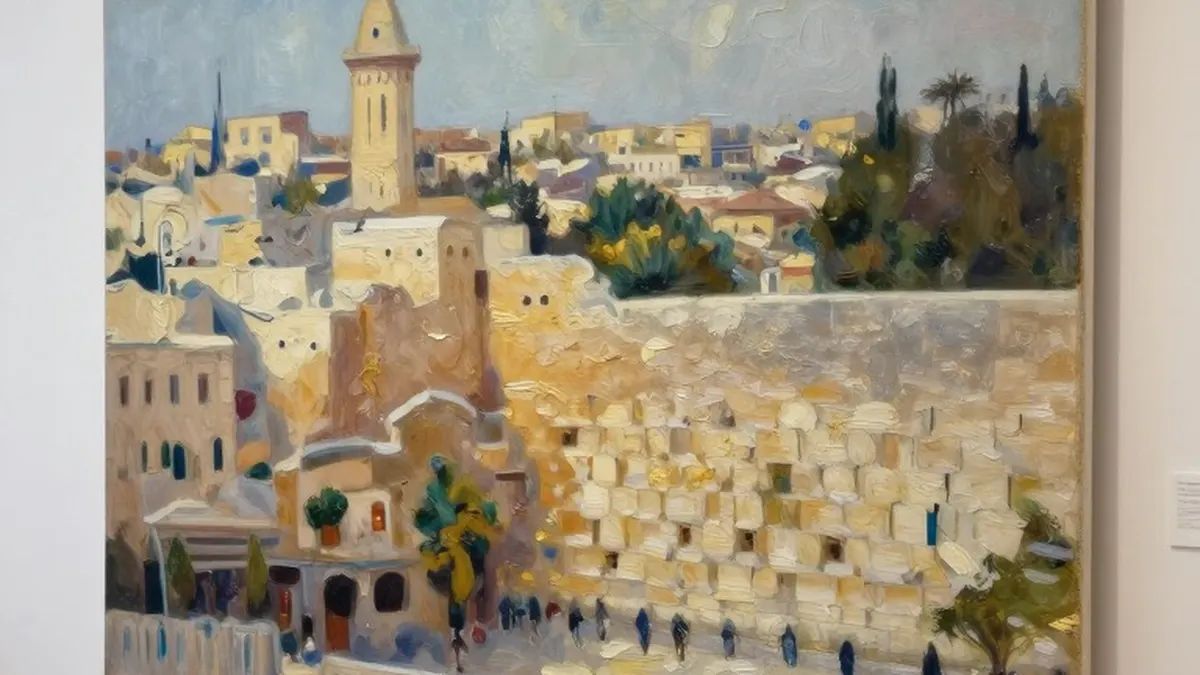
Jerusalem Sessions Festival Highlights Resilience of Israeli Television Industry
Industry leaders gathered this week to discuss global demand for Israeli content and the creative vitality of the nation's media sector.
By Emmanuel Mwangi ·
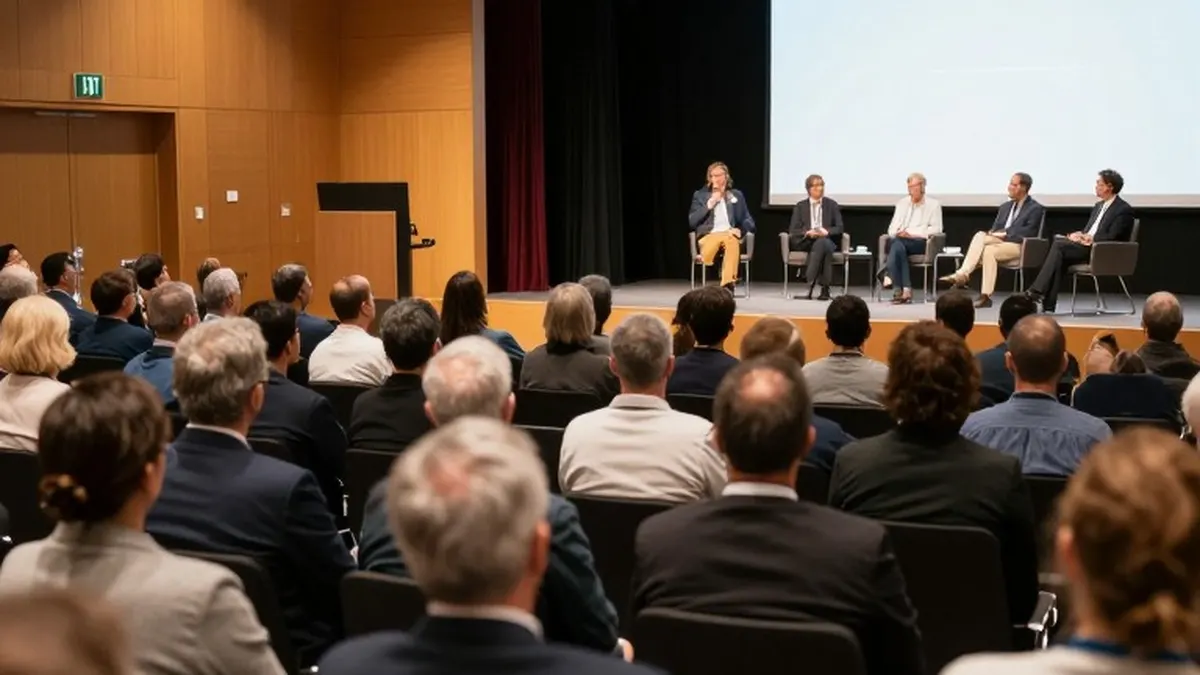
The second annual Jerusalem Sessions festival concluded this week with a strong affirmation of the Israeli television industry's global standing. Held at the National Library of Israel, the event united international entertainment professionals with local creators to address the current state of the market. The central theme, explored in a panel titled Made in Israel: Is the World Still Watching, focused on the continued interest from international buyers despite a complex geopolitical climate.
Keren Shahar, CEO of Keshet International, addressed potential concerns about boycotts during the discussions. She noted that while some organizations have hesitated to engage with Israeli content following the events of October 7, these instances remain marginal in the broader market. Shahar pointed to the recent MIPCOM festival in France as evidence of sustained activity, describing the Israeli stand as bustling and busy as in previous years. She emphasized that new sources of financing, including private investors, are entering the space to support local productions.
The festival, established by the Jerusalem Development Authority’s Film and Television Fund, marked a century of television history. The program included discussions on emerging trends such as artificial intelligence and the growth of microdramas. The event began with exclusive sessions for local professionals and opened to the general public from Tuesday to Thursday, fostering a lively environment for networking and collaboration.
The public portion of the festival opened with a screening of the first episode of the third season of The Beauty Queen of Jerusalem. The series, based on Sarit Yishai-Levy’s bestselling novel, follows the Ermoza family through the Ottoman and British Mandate periods. The new episode, set in 1947 and 1948, depicted the British withdrawal and the United Nations vote. Cast members, including Michael Aloni, Hila Saada, and Eli Steen, attended the premiere alongside co-creator Shlomo Moshiah.
Michael Aloni, who described himself as a ninth-generation Israeli, reflected on the significance of the series returning to streaming platforms after a period of uncertainty. He noted that the show’s success on Netflix is a testament to the enduring appeal of Israeli narratives. The episode featured the return of the character Luna and ended with a significant cliffhanger, resonating with an audience that has experienced recent years of conflict.
Other prominent figures in the industry also shared insights during the festival. Adam Berkowitz, an agent known for bringing shows like Fauda to international audiences, discussed his personal connection to the industry. He stated that his role is to protect original creators and secure the best possible deals, ensuring that the value of Israeli talent is recognized globally.
Minkie Spiro, a British-born producer and director, spoke about the importance of supporting Israeli talent on a wider scale. She shared personal stories of overcoming health crises to illustrate the power of resilience. Spiro encouraged local creators not to lose hope, asserting that the world is not always a hostile force and that the industry can thrive through defiance and creativity.
Roy Iddan, creator of the hit series Manayek, presented a clip from his upcoming spinoff, Akeda. The new project features Liraz Chamami, who is currently starring in Unconditional, a series about Jewish and Arab police detectives. Iddan’s presentation highlighted the diversity of new content emerging from the region.
Academic insight was provided by Professor Noa Lavie, dean of the school of government and society at the Academic College of Tel Aviv-Yafo. She presented data indicating that the significant drop in demand for Israeli series occurred in 2022, coinciding with a global slowdown in streaming content. Lavie argued that the full impact of October 7 has not yet been fully realized in market data, though some producers report difficulty in getting board approval for new projects.
Lavie suggested several strategies to navigate the current challenges, including seeking new funding from private equity and Jewish philanthropy. She also identified emerging markets in India, Poland, and Central Europe as potential outlets for universal Israeli stories. The festival concluded with a positive outlook, with moderator Adi Ezroni noting that obstacles have historically driven innovation in the country's creative sector.