State Board Approves Sites Reservoir Permit
The California State Water Resources Control Board unanimously granted the water right for the $7 billion project in Colusa County.
By Emmanuel Mwangi ·
California has been planning water storage infrastructure for decades, but the Sites Reservoir project received a decisive legal green light this month. The State Water Resources Control Board voted unanimously to approve a water right permit for the facility in Colusa County. This decision marks a major procedural step for a project that has been under discussion by state and federal authorities since the Eisenhower administration.
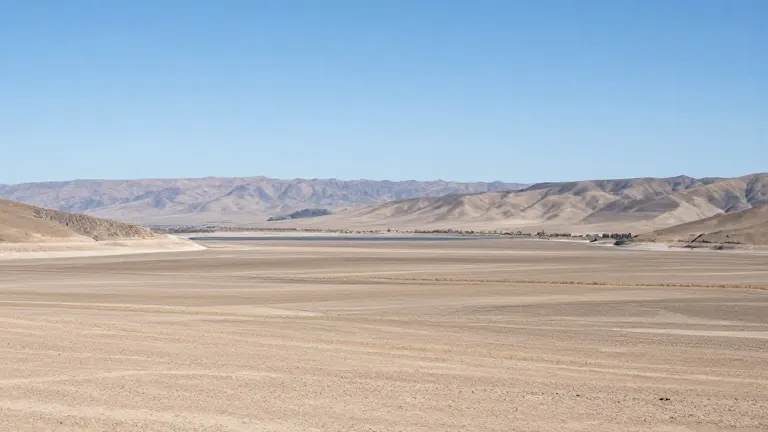
The reservoir would fill the 14,000-acre Antelope Valley. Construction would involve building two large dams that rise more than 300 feet, along with nine smaller structures. The system is designed to hold water pumped from the Sacramento River in the valley northwest of Sacramento. Local rancher Mary Wells, a fifth-generation cattle rancher and rice grower, supports the project despite the fact that her home, grazing land, and family cemetery would sit under 300 feet of water.
Funding for the $7 billion endeavor is secured through a combination of state and federal sources. The Metropolitan Water District in Southern California has committed to contributing a portion of the costs. Additionally, $1.3 billion remains available from the $7.5 billion Proposition 1 water bond approved by voters in 2014. Other state and federal monies will cover approximately one-third of the project, while loans will allow construction to begin next spring.
Gov. Gavin Newsom endorsed the board's decision, stating that it shows "California can get big infrastructure projects moving again." He added, "Now it’s time to get shovels in the ground." E. Joaquin Esquivel, chair of the water board, said the project addresses the need to store water during wet periods amid more extreme droughts and floods. "Sites is built for exactly that," Esquivel said.
Opponents of the plan include the California Sportfishing Protection Alliance and Save California Salmon. These groups argue the project threatens Chinook salmon, steelhead, sturgeon, and Delta smelt while degrading water quality. The Sierra Club also opposes the construction, aligning with its broader stance against building new dams. The organization favors removing many existing dams in the state.
Construction is estimated to be finished by 2034 if no further legal challenges arise. Shovels could begin hitting the ground as early as next year. The project aims to capture water from the Delta to sustain agriculture and ensure potable water supply for Southern California residents.
More Business · Bad Business · Report a business · Got a Story?