Lebanese PM Criticizes IDF Spokeswoman’s School Visit in South
Lebanon’s prime minister and a senior lawmaker accused the Israeli military of exploiting students for propaganda during a visit to a school in the southern buffer zone.
By Luis Rojas ·
Lebanon’s Prime Minister Nawaf Salam issued a strong condemnation on Sunday regarding a recent visit by an Israel Defense Forces spokeswoman to a school in the country’s south. The incident has sparked a debate over the conduct of the Israeli military in the buffer zone, where troops have maintained a significant presence to prevent the re-entrenchment of Hezbollah forces.
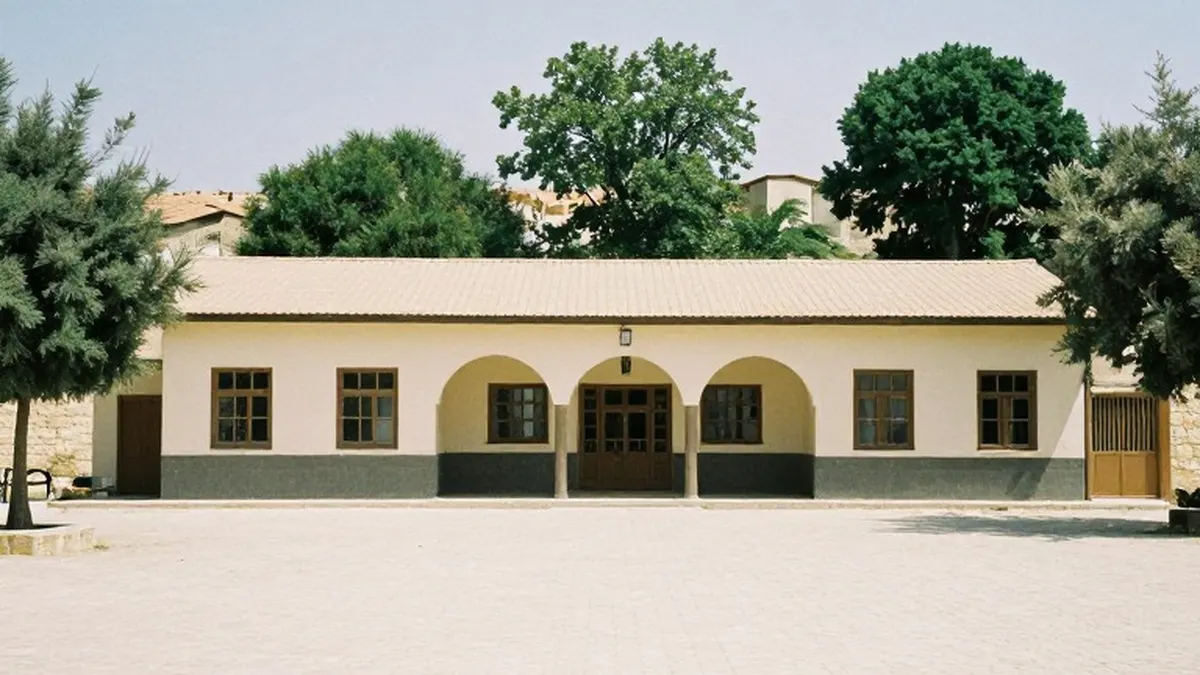
The controversy stems from a post made by Lt. Col. Ella Waweya, the IDF’s Arabic-language spokeswoman, on the social media platform X. She shared photographs and a video from a visit to a school located in the Christian village of Debel. This area falls within the southern Lebanon buffer zone currently held by Israeli forces.
The video was published to mark Lebanon’s independence day. In her accompanying text, Waweya described the experience as touching, noting that while the land was beautiful, the hope visible in the eyes of the children was even more striking. She highlighted their simple dreams of a safe future and better days ahead.
The village of Debel, along with several other Christian communities in the south, was not subject to evacuation orders from Israel during the recent fighting against Hezbollah. This distinction appears to have played a role in the selection of the location for the visit.
In a statement reported by Lebanon’s National News Agency, Prime Minister Salam described the use of students in what he termed a military and propaganda display as a violation of the sanctity of schools and the fundamental rights of children. He argued that an occupying force should not exploit local children to enhance the image of its presence or to assert dominance over the southern population.
Hassan Murad, a Lebanese lawmaker who serves as the head of the parliamentary education committee, also reacted sharply to the event. He characterized the visit as a blatant assault on Lebanese sovereignty and a flagrant violation of the integrity of educational institutions. Murad stated that the incident crossed multiple national, humanitarian, and ethical boundaries.
Murad emphasized that public schools are not open territory and that children should not be treated as media assets for the military. He questioned how those who attack land and destroy homes and schools can present themselves as guests in classrooms or guardians of education. He further urged the government to act immediately to verify the circumstances of the visit, identify who permitted it, and take necessary legal and administrative measures.
When contacted for comment regarding the specific reasons for the visit and the topics discussed with the students, the Israeli military stated that the incident is currently under review. The review aims to assess the conduct of the visit and the protocols followed by the spokeswoman.
The incident has heightened tensions in the region, where the status of the southern territory remains a key point of negotiation and friction between Lebanon and Israel. Critics in Beirut are now looking for official explanations on how the coordination between the military and the school was managed.
As the review progresses, the Lebanese government is expected to outline its next steps in response to the visit. The situation underscores the ongoing sensitivity around the presence of Israeli forces in southern Lebanon and the careful management of public relations in the area.